
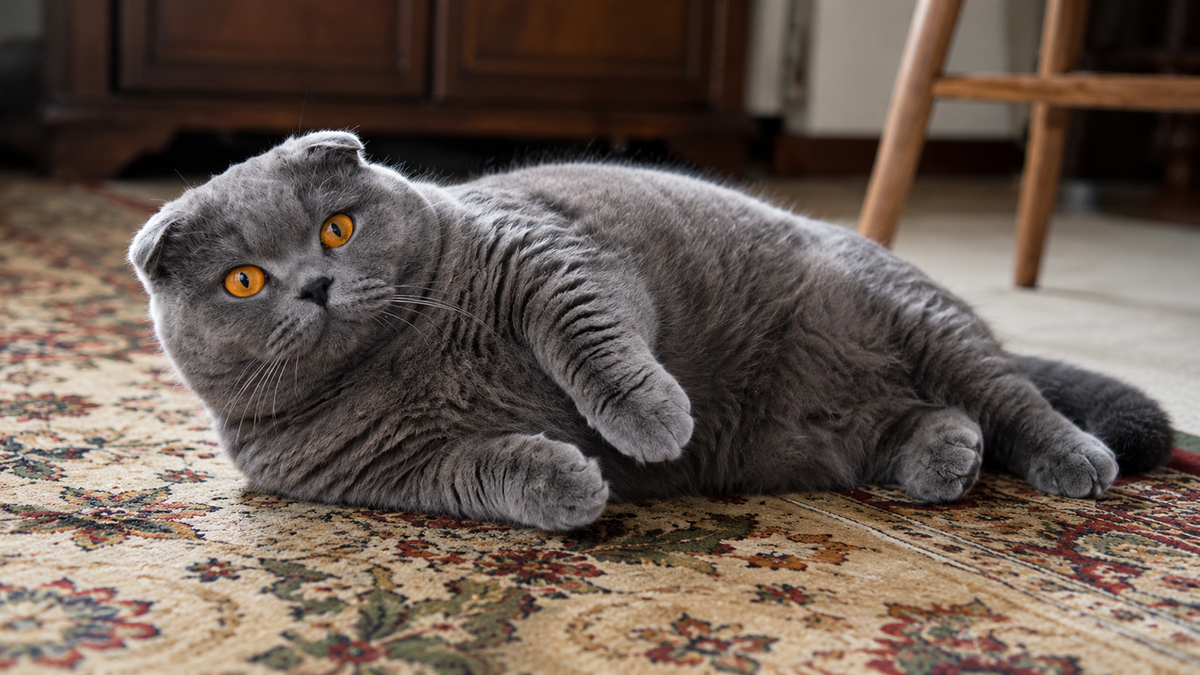
Indoor cats live longer, healthier lives than their outdoor counterparts, with one exception: they're far more likely to get bored. And a bored cat isn't just an unhappy cat. Chronic boredom is linked to overgrooming, weight gain, anxiety, and even feline depression.
The tricky part is that cats are masters of hiding what they feel. They don't pace at the door like dogs. They don't bark. They retreat, redirect, and over time their behavior shifts in subtle ways that are easy to miss.
Here are the five most reliable signs your indoor cat is bored, and what to do about each.
1. They sleep more than usual (yes, more than usual) Cats famously sleep 12 to 16 hours a day. Boredom can push that higher. If your cat is sleeping 18+ hours, retreating to the same hiding spots, and showing little interest in their surroundings, this is not peaceful rest. It is behavioral shutdown. What helps: structured play sessions twice a day, ideally one before each meal. Even 10 minutes of active engagement can reset the rhythm.
2. They over-groom or under-groom Boredom shows up on their coat. Some cats compulsively over-groom one area, leading to bald patches. Others stop grooming and develop matted fur. Both extremes are stress responses to a lack of mental stimulation. What helps: rotate toys weekly to introduce novelty. The same feather wand becomes invisible after a few days. Variety keeps their brain engaged.
3. They demand attention at strange hours The 3 AM zoomies, the meowing during a meeting, the sudden need to walk across your keyboard. These are not random. They are requests for stimulation, often timed to when you are least available. What helps: scheduled engagement during the day, especially in your absence, can shift their energy out of your sleep hours. This is where automated play tools earn their keep.
4. They have gained weight despite the same food A bored cat eats out of routine, not hunger. They wander to the bowl every hour because there is nothing else to do. If the scale is creeping up but the food bag is the same, boredom is likely the culprit. What helps: replace static food bowls with movement-based feeding. Puzzle feeders, mobile feeders, or robots that turn meals into chase activities can cut overeating in half.
5. They have stopped seeking interaction This is the saddest sign and the one most owners miss. A cat that no longer greets you at the door, no longer follows you from room to room, no longer initiates play, has often given up trying. It is not personal. It is resignation. What helps: rebuild small daily rituals. A morning play session. An evening cuddle. An afternoon "hunt" with a wand toy. Predictable engagement rebuilds trust faster than you would think.
The honest truth about indoor cat enrichment Most pet enrichment advice assumes you are home. But most pet parents are not, not all day. The real challenge is keeping cats engaged during the hours you cannot be there.
That is where active engagement tools come in. Smart play robots, mobile feeders, and AI-monitored care systems can fill the gaps that bowls and laser pointers cannot. Cozio is one such system, but the bigger principle is this: a bored cat needs movement, novelty, and rhythm. Whatever delivers those reliably is the right tool.
Start with the signs. Pay attention this week. Your cat is telling you something.
Share:
How Long Can You Leave Your Dog Alone? A Pet Parent's Honest Guide